
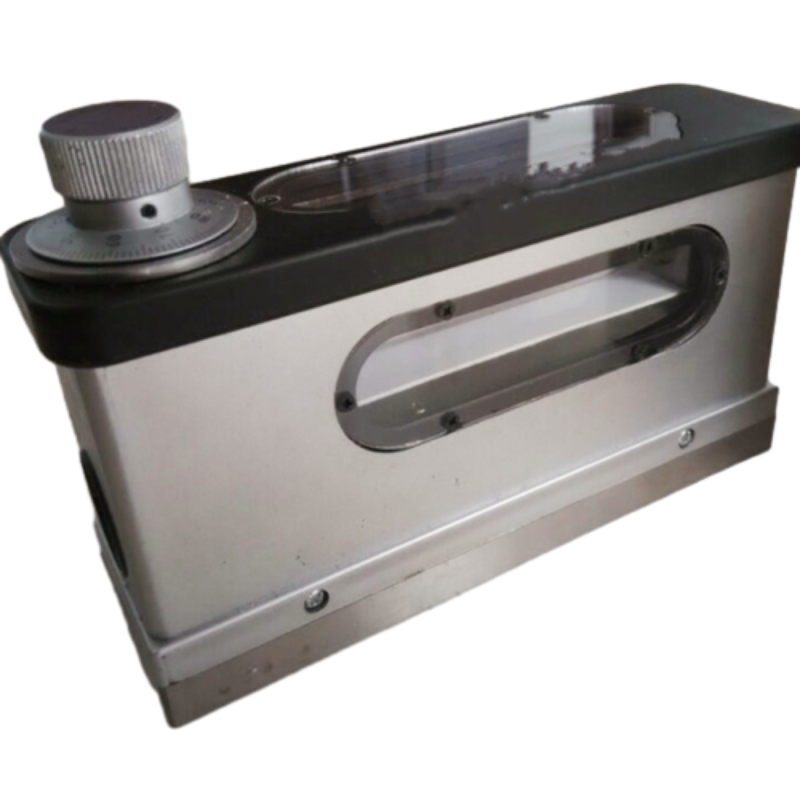
clear reflective glass
Types of Ground Anchors A Comprehensive Overview Ground anchors are essential elements in various engineering and construction projects, providing stability and support for structures ranging from buildings to retaining walls, bridges, and more. They are crucial for managing forces such as tension and shear, ensuring the safety and longevity of the structures they support. This article delves into the different types of ground anchors, their applications, advantages, and limitations, providing a comprehensive understanding of this vital engineering component. 1. Mechanical Anchors Mechanical anchors work by utilizing expansion methods to secure themselves in place within a substrate, typically concrete or rock. Common types of mechanical anchors include - Expansion Anchors These are commonly used in concrete. When a bolt is tightened, it expands the anchor against the sides of the drilled hole, creating a strong hold. - Sleeve Anchors Made of a bolt and a sleeve that expands against the surrounding material when the bolt is tightened. They are effective in various applications, particularly in medium-load scenarios. - Wedge Anchors These are designed with a tapered end that securely locks into place as the bolt is tightened, making them ideal for heavy-duty applications. Applications Mechanical anchors are widely used in building construction, sign mounting, and in applications where load-bearing strength is required. Advantages They provide instant load-bearing capacity when installed correctly, and they are adaptable to various substrates. Limitations The effectiveness of mechanical anchors greatly depends on the substrate quality, and they may not perform well in softer or vulnerable materials. 2. Chemical Anchors Chemical anchors utilize adhesive bonding to secure themselves within a drilled hole. These anchors generally come in two-component systems that include a resin and a hardener, which cure when mixed together. Applications Chemical anchors are particularly beneficial in situations where high tensile strength is required or where vibrations may affect other anchoring methods. They are often used in securing rebar to concrete, heavy machinery, and in seismic retrofitting applications. Advantages Their superior load-bearing capabilities and resistance to environmental factors like moisture and chemical exposure make them a preferred choice in critical installations. Limitations The installation process requires careful mixing and curing time, which can prolong project timelines . Additionally, they may be more expensive compared to mechanical anchors. types of ground anchors 3. Soil Anchors Soil anchors are used to secure structures to the ground in softer soil conditions. They can be constructed using various methods such as - Augered Anchors These are drilled deep into the soil and can be filled with concrete to enhance their load-bearing capacity. - Drilled Shafts Often used in deep foundation work, these involve boring large-diameter holes and pouring concrete to create a solid anchor point. - Helical Anchors Featuring a helical design that allows them to be screwed into the ground, these anchors provide excellent resistance to tension and are often used in retaining walls and telecommunication towers. Applications Soil anchors are extensively utilized in the construction of retaining walls, slope stabilization, and in the foundation work for various structures. Advantages They are relatively easy to install, can be deployed in challenging soil conditions, and are resistant to lateral forces. Limitations Their effectiveness can be highly dependent on soil conditions, which require detailed geological surveys before implementation. 4. Rock Anchors Rock anchors are specifically designed for applications in rocky terrains. These anchors can integrate mechanical and chemical anchoring methods to provide exceptional stability. Applications They are commonly used in the mining industry, tunneling, and in stabilizing problematic rock faces in civil engineering works. Advantages Rock anchors provide high load-bearing capacity and can be used in extreme conditions. Limitations They often require specialized equipment and skilled labor for installation, increasing project costs and complexity. Conclusion Ground anchors play a pivotal role in ensuring the safety and durability of structures across varied applications. Understanding the different types of anchors, namely mechanical, chemical, soil, and rock anchors, allows engineers and construction professionals to select the most effective solutions according to specific project needs and environmental conditions. Ultimately, the right choice of ground anchoring will contribute significantly to the success and stability of engineering projects, safeguarding them against the forces of nature and human activity alike.
about
clear reflective glass
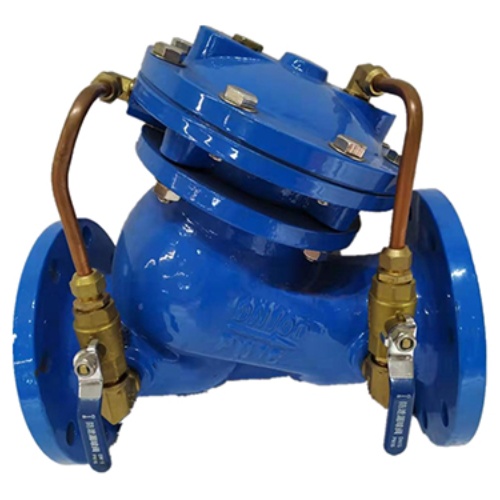
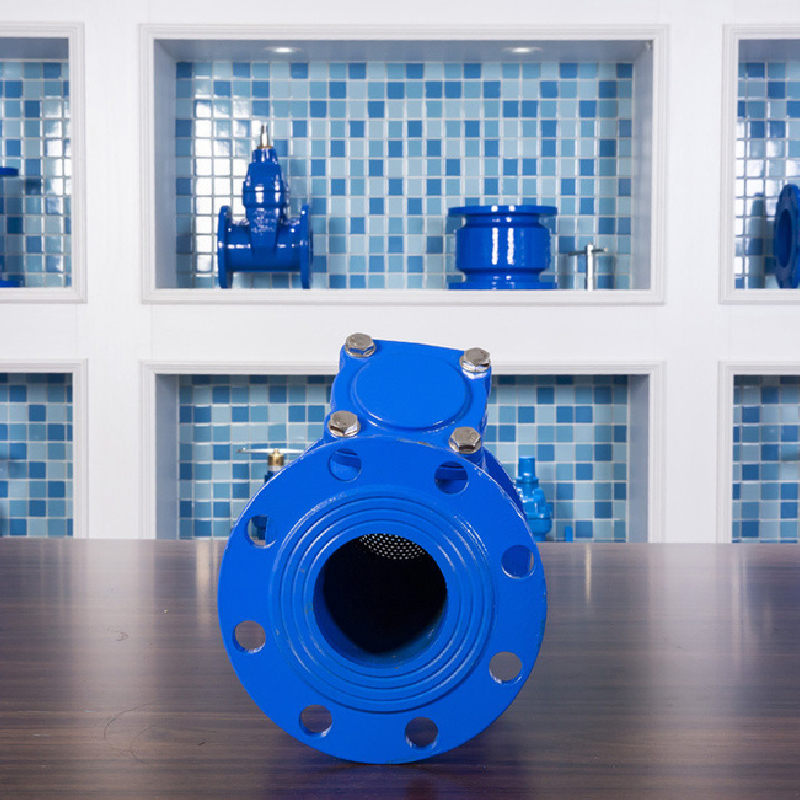
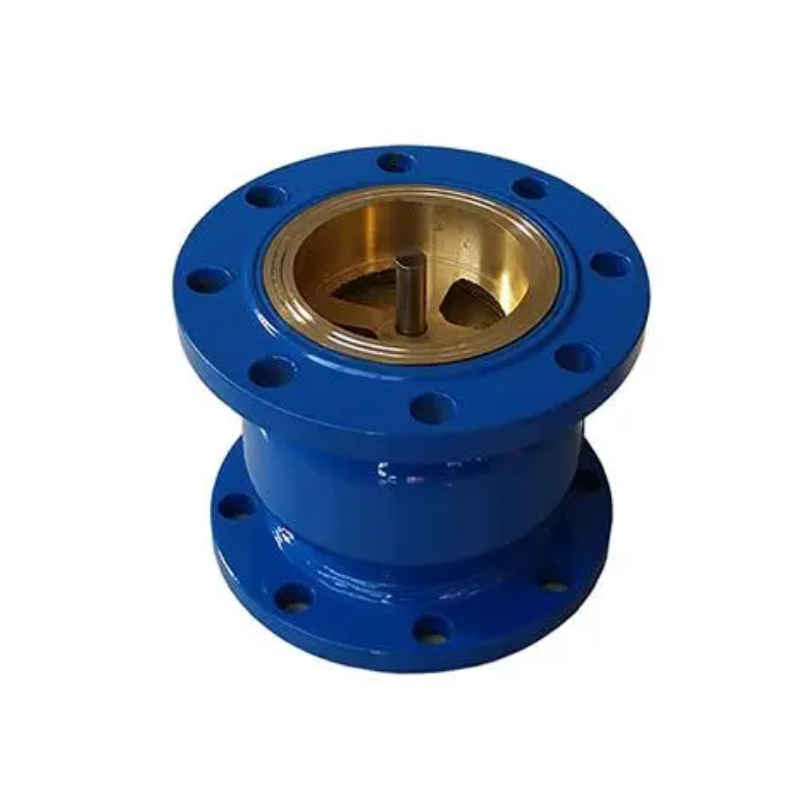
Understanding Pump Check Valves Importance and Functionality In various industrial and commercial applications, the effectiveness and efficiency of fluid transfer systems hinge significantly on the components used within them. Among these components, pump check valves play a critical role in ensuring proper functionality. This article delves into the significance of pump check valves, how they work, and their applications across different industries. What is a Pump Check Valve? A pump check valve is a type of one-way valve that allows fluid to flow in only one direction—forward—while automatically preventing backflow. This characteristic is crucial for systems that involve pumping fluids, as backflow can cause damage to the pump, reduce efficiency, and lead to potential safety hazards. Check valves come in various designs, such as swing check valves, lift check valves, and diaphragm check valves. Each type has a specific mechanism that suits different operational demands, but all serve the primary purpose of ensuring unidirectional flow. How Do Pump Check Valves Work? The operation of a pump check valve is relatively straightforward. When the pump is activated, the pressure of the fluid opens the valve, allowing it to flow through the system. When the pump is turned off or if there is a drop in pressure, the internal mechanism closes the valve, preventing any backflow. This action helps maintain system integrity and ensures that the fluid reaches its intended destination without regression into the pump or other components. The design of the check valve—regardless of type—ensures that it can withstand the pressures and dynamics of the fluid flow. Materials used in manufacturing these valves vary, and they may include stainless steel, brass, and plastic, depending on the application's chemical compatibility and pressure requirements. Importance of Pump Check Valves The significance of pump check valves extends across a multitude of reasons 1. Protection of Equipment By preventing backflow, pump check valves protect the pump and other system components from damage. Frequent backflow can cause wear and tear, leading to costly repairs and inefficiencies. pump check valve 2. Improved System Efficiency By ensuring that fluids flow in a single direction, these valves contribute to the overall efficiency of the pumping system. This efficiency translates into reduced energy consumption and enhanced performance. 3. Safety Assurance Properly functioning check valves guard against unexpected surges in pressure or fluid reversal, which can be hazardous in certain applications. They are particularly critical in systems dealing with volatile or hazardous materials. 4. Regulatory Compliance Many industries are governed by strict regulations regarding equipment and safety standards. Installing reliable check valves can ensure compliance with these regulations, mitigating legal and financial risks. Applications Across Industries Pump check valves can be found in a wide range of industries, each benefiting from their unique functionalities - Water and Wastewater Management Check valves are pivotal in municipal water systems and wastewater treatment plants to prevent contamination and ensure the integrity of the water supply. - Chemical Processing In the chemical industry, maintaining the flow direction of reactive substances is essential to minimize hazardous situations, making check valves indispensable. - Oil and Gas Pump check valves play a critical role in maintaining flow direction in oil pipelines, preventing backflow that could disrupt operations or cause spills. - Food and Beverage In this industry, check valves are employed to ensure sanitary flow conditions, preventing backflow that could lead to contamination. Conclusion In summary, pump check valves are vital components in fluid transfer systems, providing essential benefits such as protection, efficiency, and safety. Their simplicity in design belies their importance, as they contribute significantly to the reliability and functionality of various industrial applications. Understanding their role is crucial for engineers, operators, and maintenance personnel aiming to optimize system performance and ensure safe operations in any liquid handling process. As industries continue to evolve, the relevance of pump check valves will undoubtedly remain robust, necessitating ongoing attention to their selection, installation, and maintenance.
-

High quality industrial productsagement

High quality industrial products
View Details -

Meet the diverse needs of customers

Meet the diverse needs of customers
View Details -

Strict quality control

Strict quality control
View Details -

Top raw materials

Top raw materials
View Details -

Trusted supplier

Trusted supplier
View Details
Our application
news and information
Water Hose Shutoff Valve for Efficient Flow Control and Leak Prevention
Water Hose Shut Off Valve A Necessary Tool for Efficient Water Management Water is one of the most p
Welding Methods Used in Metal Table Fabrication
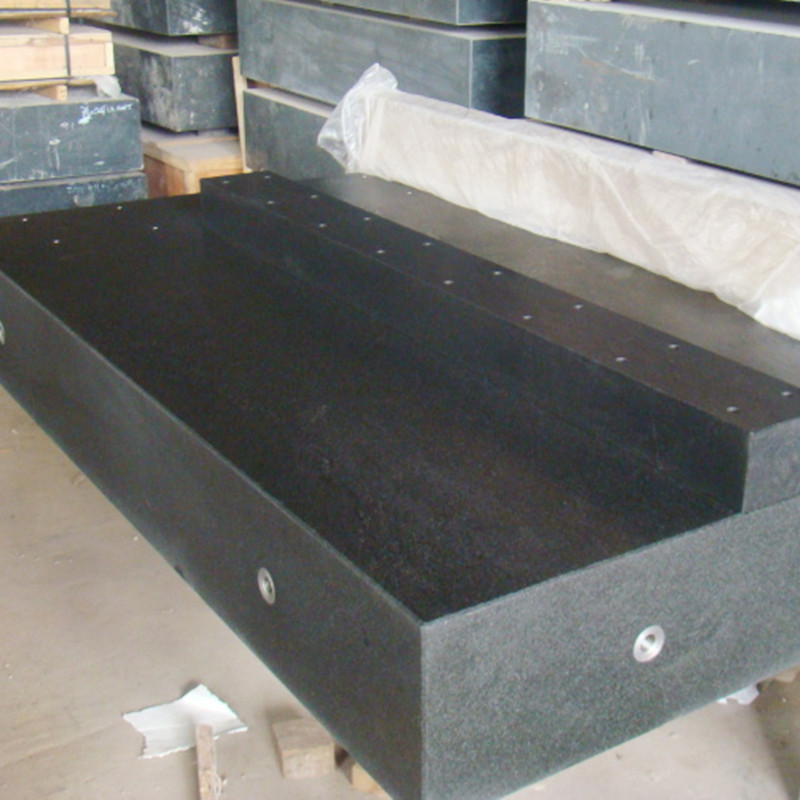
In the realm of metal table fabrication , choosing the right welding methods is crucial for creating
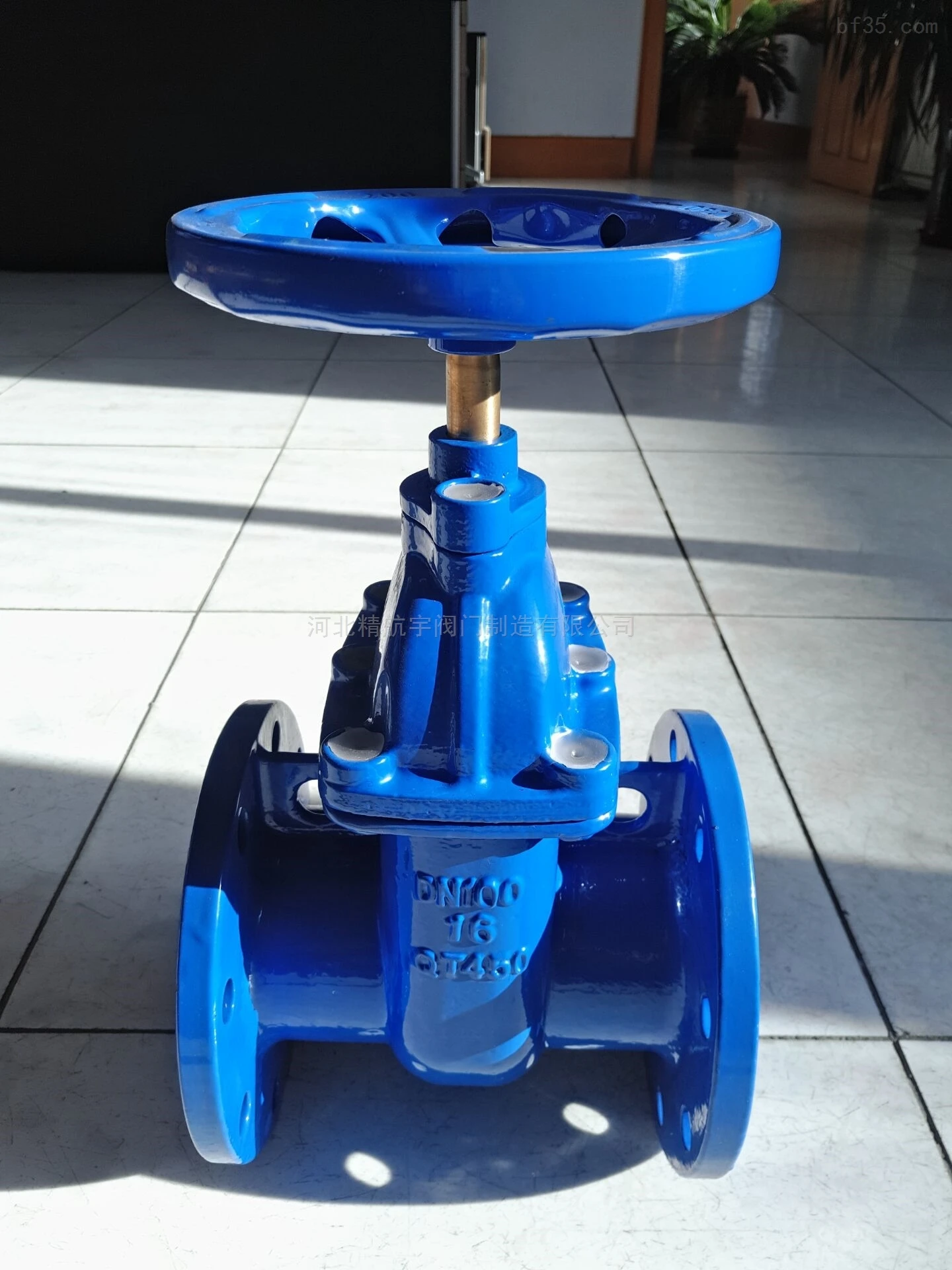
Válvula de retención 8an y su importancia en sistemas hidráulicos.
8an check valve .
 English